

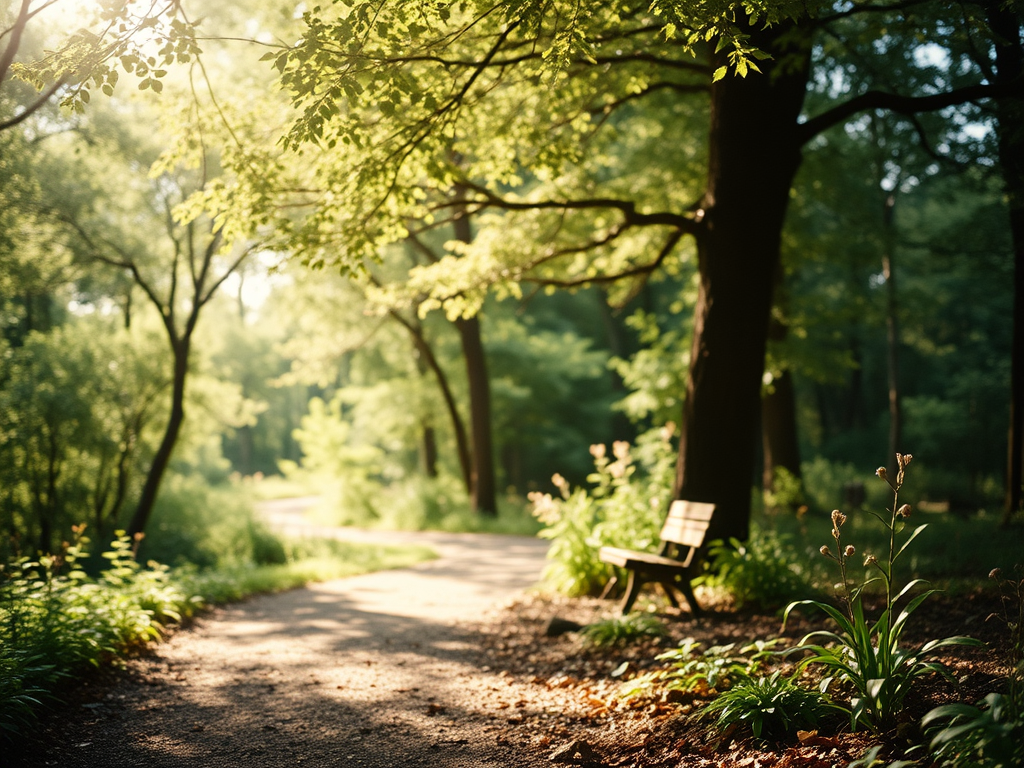
At Access Trails UK, we believe getting outside isn’t just a pastime, it’s a lifeline.
A way to reconnect with breath, with rhythm, with something bigger than burnout.
Nature can be a reset button.
A place to exhale when your world feels frayed, fast, or fragmented.
But for many, especially disabled people, those living with chronic illness or neurodivergence, or anyone holding caring roles, that reset can feel out of reach.
Burnout doesn’t just sap energy.
It reshapes possibility.
Suddenly, the idea of a walk, even a short one, feels like too much.
The planning. The gear. The transport. The social scripts.
Even the idea of “fresh air” starts to feel heavy.
So, what if trails were designed with restoration in mind?
Not just for strong legs or scenic views but for tired minds, tender bodies, and frayed nervous systems.
What if access meant emotional capacity, not just physical capability?
At Access Trails UK, we’re exploring how to support burned-out bodies and brains through:
- Quiet zones and reflective rest stops are places to pause without pressure
- Non-linear routes where turning back is honoured, not judged
- Signage that guides without overwhelming
- Storytelling that celebrates arriving, not “achieving” because presence is enough
Getting outside shouldn’t be a test.
It should be a welcome.
A soft landing.
A space where refusal is respected, and rest is designed in.
Have you ever felt like getting outdoors was too much until suddenly, it wasn’t?
What helped you cross that threshold?
Was it a bench, a friend, a moment of quiet, or simply permission to go slow?
Let’s talk about the emotional labour of getting outside.
Let’s honour the invisible logistics, the sensory overwhelm, the courage it takes to try again.
Because access isn’t just about ramps and routes, it’s about readiness, rhythm, and relational care.
And when your brain needs a soft landing, Bloggyness is always here — rambly, reflective, and pressure-free.
 Access Trails UK