
The Problem
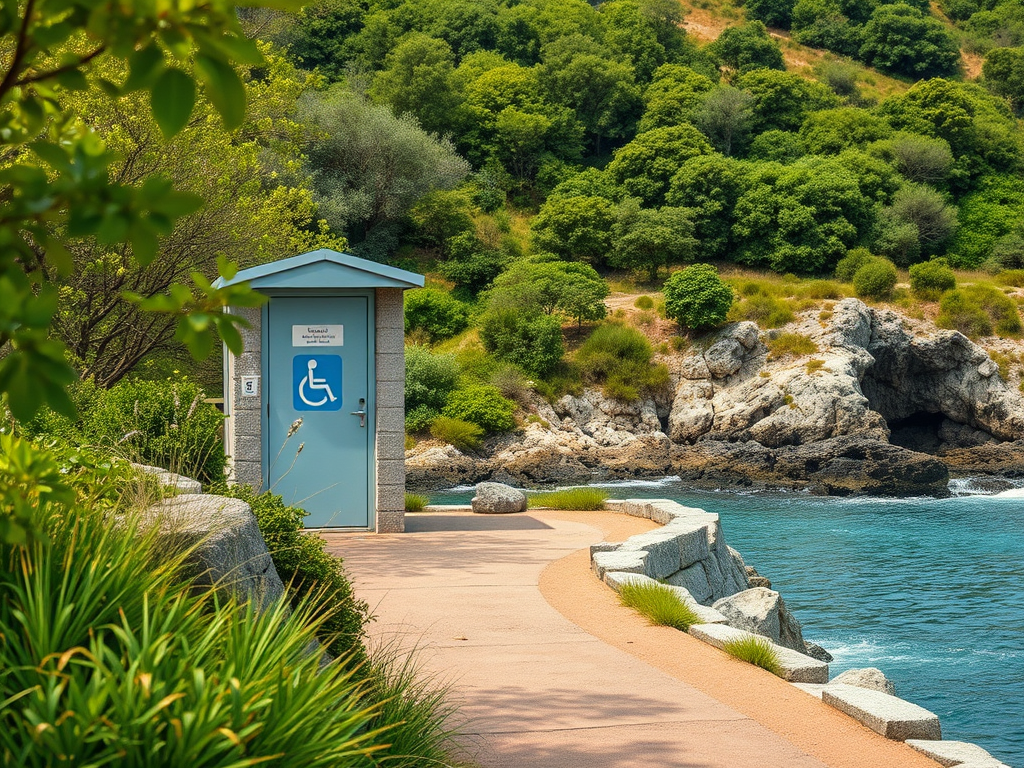
Getting out into nature should be freeing, not stressful. But for wheelchair users and anyone with access needs, one question often looms large: Will there be a toilet I can actually use?
In towns and cities, you can often rely on shopping centres, stations, or supermarkets. But once you head into the countryside, coastal paths, or nature reserves, toilet access becomes patchy, unpredictable, and often poorly signposted. Some are locked behind radar key systems. Some are only open seasonally. Some claim to be “accessible” but have steps, narrow doors, or no space to turn.
It’s not just inconvenient; it can cut short a day out, limit spontaneity, and make planning exhausting. So, here’s a guide to help you find what works, avoid the faff, and feel confident about where you’re going.
Nature Reserves
- Wildlife Trusts: Many reserves now include accessible paths, disabled parking, and toilets. Some have sensory gardens and mobility scooter hire.
→ Check wildlifetrusts.org for site-specific info. - Forestry England & Forestry and Land Scotland: Larger forest parks like Dalby, Thetford, and Queen Elizabeth Forest Park often have accessible toilets near visitor centres.
→ Look for “Easy Access Trails” and check facilities before you go. - National Trust & National Trust for Scotland: Some countryside sites include accessible toilets, but it varies.
→ Use their websites to search by location and access features.
Beaches
- Changing Places Toilets: Found at several UK beaches, including Boscombe (Dorset), Rhyl (Wales), and Sandhaven (South Shields). These offer hoists, adult-sized benches, and extra space.
- Beach Wheelchair Hire: Available at Portobello (Edinburgh), Gyllyngvase (Falmouth), and Sandown (Isle of Wight). These locations often have accessible toilets nearby.
- Promenade Access: Coastal towns like Bournemouth, Cleethorpes, and Whitby offer step-free access and disabled toilets along the seafront.
→ For a full list, check Driffield Mobility’s Top Accessible Beaches.
Rural Trails & Country Parks
- Country Parks: Many have accessible toilets near car parks or visitor hubs. Examples include:
- Tentsmuir Forest (Fife)
- Sherwood Forest (Nottinghamshire)
- Moors Valley Country Park (Dorset)
- National Parks: The Lake District, Peak District, and Cairngorms all have accessible trails with toilets at key visitor centres.
→ Always check ahead; some are seasonal or require a radar key. - Canal Towpaths & River Walks: Some have accessible toilets at lock stations or cafés.
→ Use AccessAble for specifics.
Tools for Planning
- Radar Key: Essential for many rural and coastal toilets. Buy one from Disability Rights UK or your local council.
- Changing Places Map: Use changing-places.org to locate toilets with hoists and extra space.
- UK Toilet Map: uktoiletmap.org is handy for general disabled toilet locations, including rural areas.
- AccessAble: accessable.co.uk offers detailed access guides for venues, including toilet layout, door width, and transfer space.
Conclusion: What You Can Expect
Accessible toilets in nature reserves, beaches, and rural areas do exist, but they’re unevenly distributed, often locked, and rarely well-advertised. The key is to plan ahead using the right tools, carry your radar key, and check for seasonal or staffed access.
With a bit of prep, you can enjoy the outdoors without worrying about where to go when you need to go. And if you’re designing or campaigning for better access, toilets are a great place to start. They’re not glamorous, but they’re essential.
Feel free to share your story, your tips.
Explore more with us:
- Visit Gwenin for a curated selection of frameworks
- Browse Spiralmore collections
- Read our Informal Blog for relaxed insights
- Discover Deconvolution and see what’s happening
Relentless. Results-driven. Remote-ready.
I manage multiple live websites, numerous publications, and patents – delivering research, strategy, and commercialisation expertise.
 Access Trails UK