

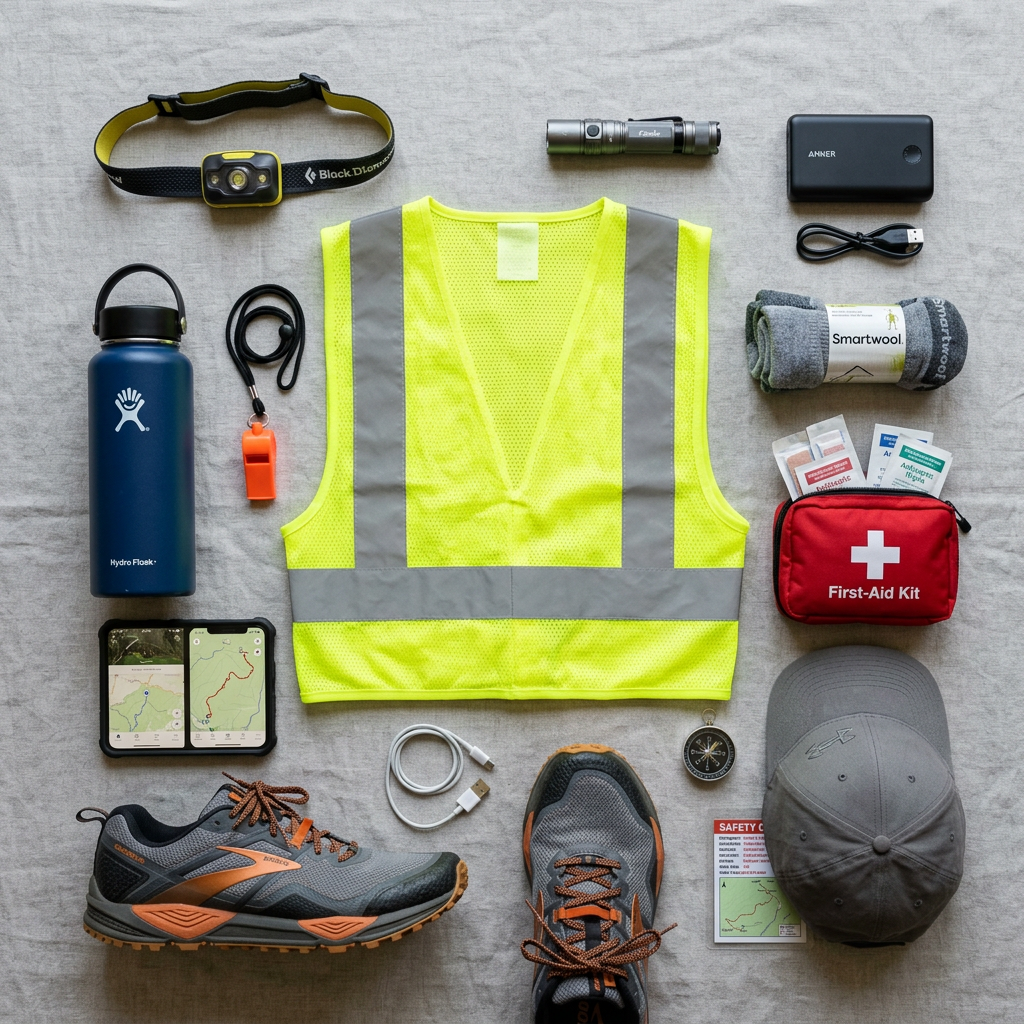
Safety is a key part of accessible walking in the UK. Even well-maintained and step-free routes can present risks depending on weather, terrain, crowd levels, and visibility.
This guide explains how to walk safely on accessible trails in the UK while reducing risk and improving confidence.
Why Safety Matters on Accessible Walks
Accessible does not always mean risk-free. Conditions can change quickly and affect usability.
Safety impacts:
- Stability on different surfaces
- Control when using mobility aids
- Ability to respond to changing terrain
- Confidence in unfamiliar areas
- Emergency preparedness
Step 1: Check Weather Conditions Before You Go
The weather has a direct impact on safety.
Always check:
- Rain forecasts (affects grip and mud levels)
- Wind strength (affects balance and mobility aids)
- Temperature (affects stamina and comfort)
- Ice or frost warnings in colder months
Avoid walking in poor conditions where possible.
Step 2: Stay on Marked and Maintained Paths
Stick to designated routes at all times.
Follow:
- Official walking paths
- Signposted routes
- Maintained Park or trail surfaces
Avoid:
- Unmarked shortcuts
- Eroded or unclear paths
- Natural terrain outside designated routes
Step 3: Walk at a Comfortable and Controlled Pace
Pacing is important for safety and stability.
Best practice:
- Move at a steady, manageable speed
- Take regular breaks when needed
- Avoid rushing on uneven or unfamiliar terrain
- Allow extra time for mobility aids
Step 4: Be Aware of Terrain Changes
Even accessible routes can change unexpectedly.
Watch for:
- Sudden slopes or gradients
- Narrow sections or pinch points
- Surface changes (tarmac to gravel or grass)
- Wet or slippery patches
Awareness helps prevent accidents.
Step 5: Plan for Emergency Situations
Basic preparation improves safety significantly.
Carry:
- Mobile phone with a charge
- Emergency contact details
- Basic first aid supplies
- Location awareness (know your route start/end points)
Step 6: Avoid Overcrowded or High-Risk Times
Crowds can reduce safety on accessible paths.
Avoid:
- Peak weekend times in busy parks
- Event days or festivals in walking areas
- Narrow coastal or urban routes during high footfall
Final Thoughts
Safe accessible walking depends on preparation, awareness, and choosing suitable conditions. By staying on maintained paths, checking the weather, and planning ahead, you can reduce risk and improve confidence on all types of routes.