

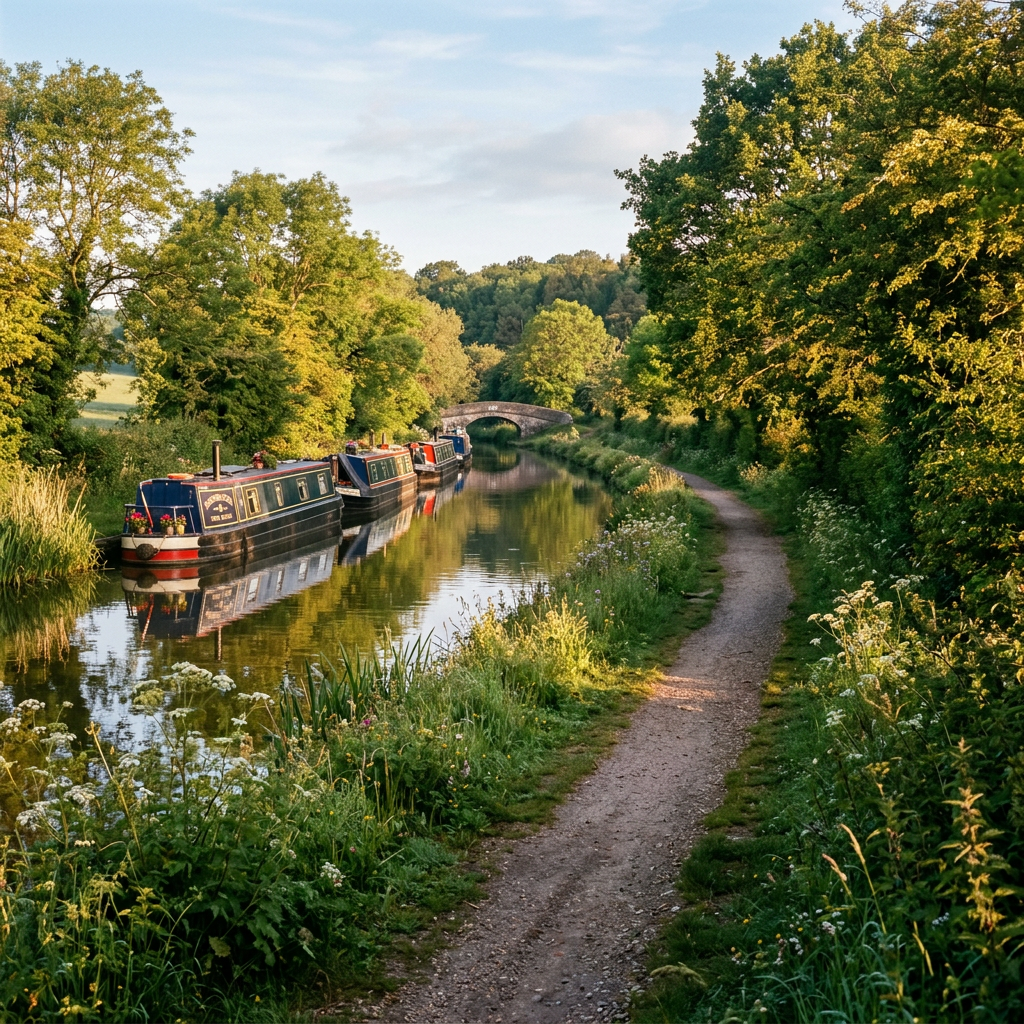
Quiet walking routes are often more accessible, easier to navigate, and more enjoyable for people using wheelchairs, mobility aids, or pushchairs. Less crowded environments reduce stress and improve movement flow along paths.
This guide explains how to find quiet accessible walks in the UK.
Why Quiet Routes Improve Accessibility
Lower-traffic routes provide several advantages:
- Easier movement along narrow paths
- Reduced obstruction from other users
- More consistent pacing without interruptions
- Better access to seating and rest areas
- Improved safety and confidence
Step 1: Choose Off-Peak Locations and Times
Timing plays a major role in how busy a route is.
Best times:
- Weekday mornings
- Early afternoons outside school holidays
- Late afternoons in quieter seasons
Avoid:
- Weekend peak times
- School holidays in popular parks
- Event days in public spaces
Step 2: Look for Less-Visited Local Parks
Smaller or lesser-known parks are often quieter.
Good options include:
- Community parks
- Local nature reserves
- Suburban green spaces
- Smaller canal paths
These tend to have fewer visitors than major attractions.
Step 3: Avoid Major Tourist Destinations
Busy tourist locations often reduce accessibility.
Avoid or carefully assess:
- Famous coastal towns during peak season
- National Park hotspots
- Landmark walking trails
- City centre promenades during events
Step 4: Use Map Reviews and Crowd Indicators
Digital tools can help identify quieter areas.
Check for:
- User review volume (lower often means quieter routes)
- Photos showing crowd levels
- Peak time patterns on Google Maps
- Comments about busy periods
Step 5: Prioritise Linear or Dispersed Routes
Certain route types are naturally quieter.
Better options include:
- Canal towpaths outside city centres
- Linear woodland edges
- Long countryside edges of parks
- Less central sections of coastal promenades
Final Thoughts
Quiet accessible walks in the UK are easier to find when you focus on timing, location type, and crowd patterns. Choosing less busy environments improves comfort, safety, and overall walking experience.