

Across this series, we’ve moved through some of the most iconic landscapes in the UK and Ireland not by focusing on the highest peaks or most rugged challenges, but by tracing the quieter, more inclusive routes that often sit just beside them.
From coastal paths and forest tracks to lakeside promenades and carefully managed national park hubs, a clearer pattern emerges: accessibility here isn’t usually about entire landscapes being fully adapted; it’s about specific gateways into those landscapes that make them genuinely shareable.
England: Variety, Structure & Unexpected Accessibility
The English national parks consistently show a layered approach to access.
The Peak District National Park
Often regarded as one of the most accessible parks in England, thanks to former railway lines, reservoirs, and well-maintained valley routes like Monsal Trail and Derwent Valley.
Yorkshire Dales National Park
A landscape of limestone valleys and waterfalls where accessibility tends to cluster around rivers, viaducts, and visitor-managed sites rather than upland moors.
Lake District National Park
While famous for its challenging terrain, accessibility emerges through lakeside paths, refurbished estates, and “fringe” routes that avoid the steepest valleys.
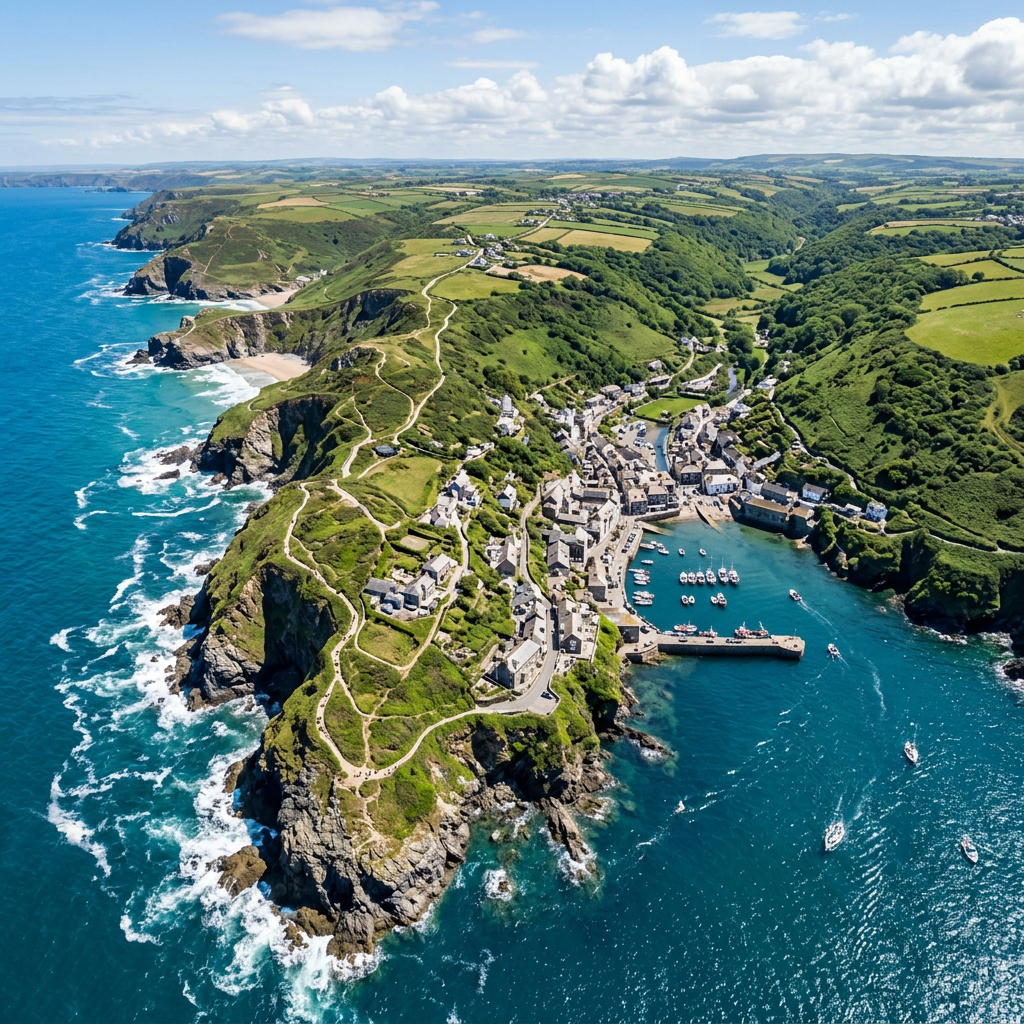
South West Coast Path
Not fully accessible as a whole, but broken into powerful sections, especially in Cornwall and Devon, where cliff-top viewpoints, promenades, and harbour towns provide easier access to coastal scenery.
Wales: Valleys, Coastlines & Structured Entry Points
Snowdonia National Park (Eryri)
A dramatic landscape where full accessibility is limited in upland areas, but valley floors, lakeside tracks, and engineered viewpoints make the scenery more widely reachable than expected.
North Wales Coast Path
One of the more accessibility-friendly long-distance coastal routes in the UK, with promenades, beachside towns, and flat estuary sections providing consistent access points.
Wales overall shows a strong contrast: raw mountain terrain inland, balanced by more accessible coastal and valley corridors.
Scotland: Scale, Space & Low-Level Access Networks
Scottish Highlands
The Highlands are often perceived as inaccessible, but accessibility is concentrated in glens, loch-side paths, forestry tracks, and well-developed visitor centres rather than the mountains themselves.
Here, accessibility is less about coverage and more about strategic entry points into vast terrain places where infrastructure meets scale.
Ireland: Lakes, Forests & Visitor Hub Design
Wicklow Mountains National Park
Close to Dublin and one of the most approachable “wild” landscapes, with Glendalough and surrounding forest roads offering some of the most reliable accessible walking.
Killarney National Park
A strong example of estate-based accessibility where lakes, gardens, and managed paths provide structured access to dramatic scenery.
Connemara National Park
A more fragmented accessibility model: visitor centre routes and forest walks combined with scenic driving routes like Sky Road to experience wider landscapes.
Ireland’s pattern is clear: smaller accessible zones embedded within large, natural regions rather than continuous accessible trail networks.
The Bigger Pattern Across the Series
Looking across all regions, a few consistent themes stand out:
1. Accessibility is “patch-based,” not universal
Even in the most developed parks, only certain corridors are fully accessible.
2. Water and valleys are the key enablers
Lakesides, riversides, and former railway lines appear repeatedly as the most usable terrain.
3. Visitor infrastructure is the real gateway
Car parks, visitor centres, estates, and boardwalks often matter more than the landscape designation itself.
4. Coastal towns often outperform remote interiors
Seafront promenades and harbour paths frequently offer more consistent access than inland wilderness.
Closing Reflection
What this series ultimately reveals is that access to nature in the UK and Ireland isn’t a single condition; it’s a network of openings.
Some are designed, some are adapted, and some simply emerge from geography itself. Together, they form a landscape experience that is not defined by limits but by routes through them.
The challenge going forward isn’t finding nature that is “accessible or not,” but recognising where those entry points already exist and making them easier to find, understand, and connect.